

EMF Protection Phone Cases: Compare Fit, Shielding and Tests
*The information on EMF Academy is for educational purposes only and is not a substitute for professional medical advice. Please review our full Medical Disclaimer for more details. This post may contain affiliate links. Please see my disclosure to learn more.
An EMF protection phone case has to fit your phone, work the way you hold it and have evidence that applies to its design. A large shielding percentage on the box does not answer all three questions. Before spending more on a specialist case, check the exact model and find out what the advertised test actually measured.
I have used several of the cases discussed here, and I have kept the handling impressions from my earlier reviews where they are useful. Those impressions are not new laboratory results. This comparison also covers older options you may still see advertised, so you can tell a current buying choice from a legacy product.
If your main aim is to keep the phone farther from your head during calls, try speakerphone or a compatible headset first. A case is an optional purchase; it is not a demonstrated way to prevent cancer or another medical condition.
Understanding EMF radiation
What is EMF radiation?
EMF means electromagnetic field. It is a broad term, not another name for high-frequency electricity. Cellular networks, Wi-Fi and Bluetooth use radiofrequency signals. Low-frequency fields associated with electrical equipment are a different part of the spectrum. A product tested for one type of field should not automatically be described as blocking every type.
What does the health evidence show?
The National Cancer Institute’s cell phone fact sheet reviews the main studies. Its overall assessment is that the findings do not show an association between cell phone use and cancer. IARC’s classification of radiofrequency fields as possibly carcinogenic is not a finding that ordinary phone use causes cancer, nor evidence that a particular case prevents it.
Deciding whether you need a specialist case
Decide what you want the case to do before comparing brands. Drop protection, card storage, grip and a shielding flap are separate features. You might prefer an ordinary case with a reliable grip and use speakerphone for longer calls. If you choose a shielding case, the instructions and the test scope matter more than a promise of complete protection.
EMF protection phone cases: what to look for
Start with the model name in your phone’s settings. “Pro” and “Pro Max” are not interchangeable. Check the case’s camera openings, buttons, charging port and dimensions. For a universal wallet or pouch, compare the actual measurements with your phone and any inner case you plan to keep. “Universal” does not mean every modern phone will fit.
Then check the daily compromises: can you answer a call, use the camera and charge without rearranging the case? Does the flap stay where the maker tells you to put it? Are the return terms for the retailer you are buying from, rather than a different store? Do not assume a manufacturer’s direct-store warranty or return offer applies to an Amazon seller.
How shielding phone cases work
Many folio cases put shielding in the front flap. The intended arrangement is to place that shielded part between the phone and the area facing it. Folding the flap behind the phone changes that arrangement. Read the specific maker’s instructions rather than treating every flip case alike. Antenna-style cases and inserts use a different design and need their own evidence.
A working phone still communicates with a network. A one-sided shield is not a sealed radio-blocking enclosure, and a lower reading at one point is not the same as a measured reduction in what a person absorbs. In its 2011 consumer warning about phone radiation shields, the FTC also cautioned that interference with a phone’s signal can increase its power use. That warning is a reason to examine a product’s design; it is not a test of every case sold today.
What shielding materials and test numbers tell you
| Evidence | What it can establish | What it does not establish |
|---|---|---|
| Shielding-material report | Attenuation through a specimen at the tested frequencies and setup. | The same reduction in a finished case, at every angle or for a person using it. |
| Phone SAR report | Specific absorption in a defined test model, phone position and radio configuration. | A clinical benefit, a different phone model or every cellular/Wi-Fi/Bluetooth band. |
| Handheld RF meter reading | A field reading where the instrument is placed, within its measurement limits. | A SAR measurement or a repeatable whole-body exposure percentage. |
Look for the report date, phone or specimen identity, frequency, placement and comparison condition. A “lab tested” badge alone leaves these questions unanswered. A test laboratory’s accreditation also does not mean the FCC has endorsed a case’s health claims.
Seven phone-case options compared
These are the options covered in the earlier guide. They are listed for comparison, not ranked by percentages from different tests. Older Amazon listings can remain visible after stock runs out, and an old model is not a suitable substitute for a case that fits your current phone.
This article contains affiliate links. If you buy through them, I may earn a commission. The two shopping links below open Amazon brand stores; choose and verify the exact phone model there before ordering.
| Option | Design or fit issue | Buying decision |
|---|---|---|
| SafeSleeve Slim | Front-flap folio; versions are phone-specific. | Check the current model selection and the instructions for the shielded flap. |
| DefenderShield | Wallet/folio designs; confirm the selected generation. | Compare size, flap handling and the report for the actual product. |
| Gadget Guard / Alara | Older charcoal case for iPhone 11 Pro. | That listing showed unavailable during review; a current insert is a separate product. |
| RadiArmor | Front-flap wallet case; reviewed teal version fits iPhone 14 Pro Max. | That exact listing showed unavailable during review; check model and stock separately. |
| WaveWall | Older vertical-flip design; reviewed red universal case specified screens up to four inches. | That listing showed unavailable during review; do not assume it fits a larger phone. |
| Sanxir | Reviewed black case fits iPhone X/XS. | That listing showed unavailable during review; current evidence and support need checking. |
| Older Pong / Alara case | The earlier hands-on impression concerned an iPhone 7 case. | Treat that experience as historical, not a current-model recommendation. |
1. SafeSleeve Slim: check the model and front-flap use
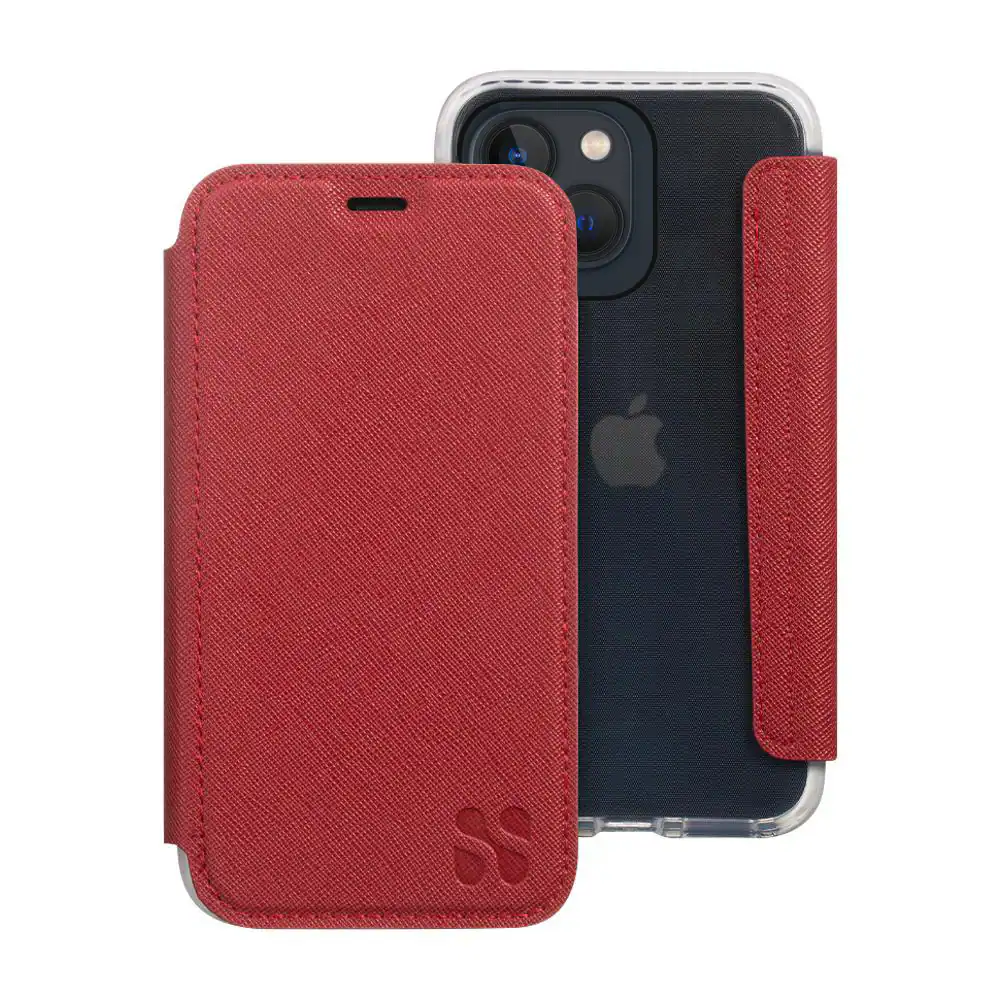
In my earlier comparison, I preferred the Slim’s lighter feel for everyday use. That is a handling preference, not evidence that it provides the greatest reduction in exposure. Check that the model you choose still has the features shown in the listing; a product called Slim is not automatically a newly released design.
SafeSleeve’s instructions locate the shield in the front flap. Its testing page links a 2022 combined shielding report that includes material-specimen measurements. Those measurements should not be presented as a guarantee of the same result for a person making calls with every case model.
SafeSleeve also says reliable radiation measurements require a controlled laboratory setup. A casual meter demonstration is not a replacement for that testing. Browse SafeSleeve iPhone cases on Amazon (paid link). Check compatibility, the selected seller and that retailer’s return terms.
2. DefenderShield: wallet handling and product-specific evidence
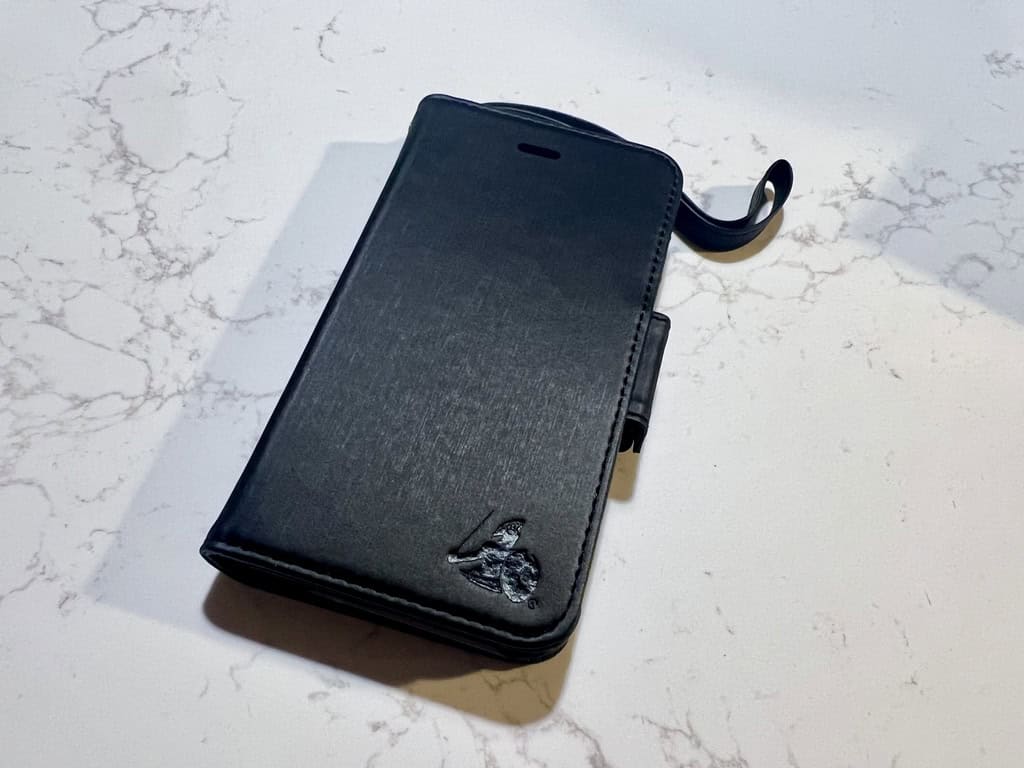
I got used to the wallet format in my earlier use of DefenderShield cases. If you like carrying cards with your phone, that may be useful. If you want a thin snap-on case, the extra flap may be a compromise. Neither preference establishes that one brand is medically safer.
DefenderShield’s technology page describes several shielding materials and product applications. Match the material and report to the case you are considering. A broad frequency-range claim on a material page does not demonstrate whole-case performance for every 5G phone, and it should not be turned into a promise of maximum health protection.
Browse DefenderShield phone cases on Amazon (paid link). This link opens its Amazon phone-case store, not the manufacturer’s direct checkout. Read the exact listing and use instructions before selecting a model.
3. Gadget Guard / Alara: distinguish the old case from an insert
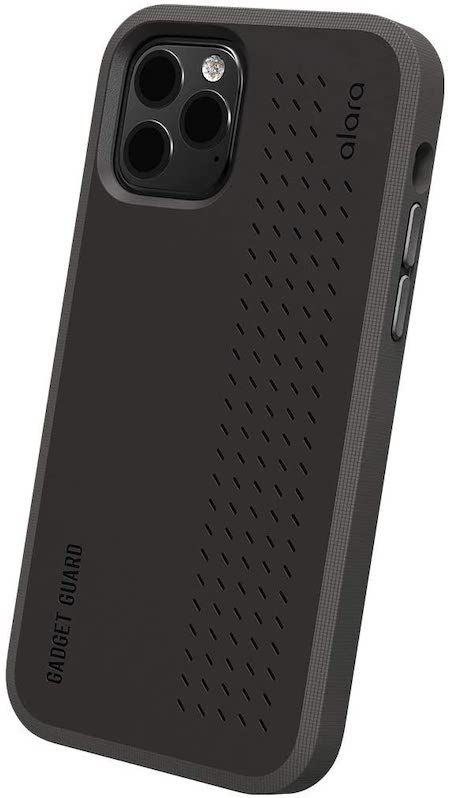
The older charcoal Gadget Guard case for iPhone 11 Pro was unavailable on the Amazon listing I checked on October 8, 2026. If you have a newer phone, check its exact model rather than choosing a similar-looking case.
Gadget Guard’s current Alara product page also describes a separate radiation-reduction insert and mannequin-head testing. Do not transfer a result from one Alara design to another without a report that identifies the product and phone. An insert’s physical fit and its demonstrated performance are separate questions.
4. RadiArmor: front shielding and an exact phone fit
RadiArmor’s FAQ describes shielding in the front cover of its wallet cases. The direction of that cover matters. Its advertising distinguishes material shielding from a claimed reduction in use; neither number belongs in a cross-brand ranking unless the test conditions are comparable.
The teal iPhone 14 Pro Max case was unavailable on the Amazon listing I checked on October 8, 2026. Confirm the exact case dimensions, model and seller before ordering. That listing does not establish stock at other retailers.
5. WaveWall: a different flap and an older test
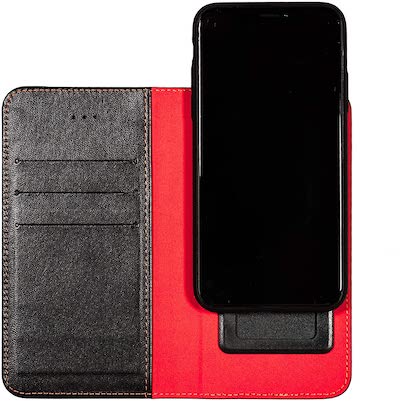
I tried a WaveWall case for about a week when I first reviewed it. Its vertical opening felt less intuitive to me at first, though I got used to it and liked the build. Those are impressions of that earlier case, not a new test of a current phone model.
WaveWall links a UL SAR report issued in September 2014. That report compares three case configurations in a GPRS 900 body setup using 10-gram SAR and a specified separation. It is useful evidence for that setup, not a result for every modern phone, 5G band or way of holding a case.
The older red universal case specified screens up to four inches and was unavailable on the Amazon listing checked on October 8, 2026. Check dimensions carefully if you find old stock. WaveWall and Waves Protect are different names; a listing for one should not be taken as evidence about the other.
6. Sanxir: an older listing needing current evidence
The older black Sanxir wallet case for iPhone X and XS was unavailable on the Amazon listing I checked on October 8, 2026. Before buying old stock, ask for the report for that exact case and written warranty terms from the seller.
A material description such as graphene-based does not by itself establish how a finished case performs. Before considering this option, verify compatibility, the report for the actual case and who would handle a return or warranty claim. I would not choose it simply because an older listing sounds impressive.
7. Older Pong / Alara: a useful handling impression, not a current recommendation
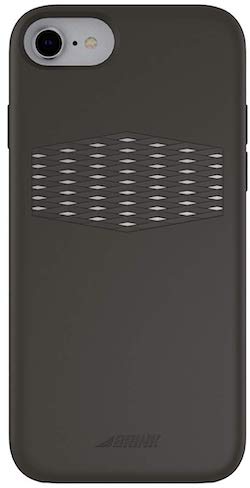
I used an older Pong-style case on my iPhone 7 for about a month and liked its grippy feel. It looked and handled more like a normal snap-on case than the wallet cases I had tried. That grip was useful, but it does not show that a current Alara insert or another phone’s case performs the same way.
If you find an older Pong case, verify the phone model and condition before buying. A familiar brand name or licensing history does not establish that a newer product uses the same design or has the same test results.
Putting phone-radiation claims in context
In its discussion of Interphone, the National Cancer Institute explains that the finding in the highest-use group was inconclusive. That finding does not establish that heavy phone use causes brain tumors, or that a shielding case prevents them.
Choose practical habits because they suit your aim, not because an accessory seller promises to prevent illness. If you want less close-to-body phone use, you can change where you put the phone and how you make calls without buying a shielding product. There is no universal safe-distance number established by the case comparisons in this guide.
Other ways to reduce close-to-body phone use
1. Distance and moderation
For a longer call, put the phone on a surface and use speakerphone if the setting is private enough. Carrying it in a bag rather than pressed against your body changes the distance too. Keep the arrangement practical: moving the phone a few inches does not establish a medical safety threshold.
2. Check the signal
A phone’s transmit power changes with network conditions. If a conversation can wait until reception improves, that is a simple choice. Do not assign a fixed multiplier to every low-bar situation: the phone, network, activity and connection all matter.
3. Set up the call before bringing the phone close
You can start and continue a call on speakerphone or a headset when it suits the setting. Waiting a few seconds for the call to connect is not a validated health-protection method, and it does not make a later call against your head exposure-free.
4. Check what airplane mode has actually disabled
Apple’s airplane-mode instructions explain that Bluetooth can remain on and Wi-Fi can be used in airplane mode. Check those settings separately if your aim is to stop wireless communication. Turning off a phone or its radios also changes whether calls, messages, accessories and network services are available.
5. Consider a compatible headset
A headset lets you keep the phone away from your ear. A compatible ordinary wired headset is one option; an air-tube headset is not required to do that. Check the connector or adapter, microphone and comfort. Moving the phone into a pocket still leaves it close to another part of your body.
A headset should not be sold as treatment for pain or tingling. If you want to compare designs, the air-tube headset guide explains the format; do not assume a headset’s marketing percentage measures your total exposure.
6. Use speakerphone where it is practical
Speakerphone is a free way to move a phone away from your head during a call. Consider other people’s privacy and your surroundings. Set up calls when you can give them attention; an accessory is not a reason to handle a phone while driving.
Can stickers effectively reduce phone radiation?
Assess the actual product rather than the word sticker. Shielding material, an antenna-related insert and a product advertised to harmonize radiation make different claims. A patent is not a clinical trial, and a report for earbuds cannot establish the result for a phone sticker.
For WaveBlock’s iPhone 15 Pro sticker, look for a report covering that exact model. WaveBlock’s report directory provides several reports. The RF Exposure Lab report cover reviewed for this update names iPhone 11 and several earbud models, with 2021 test dates; that cover does not establish the result for the iPhone 15 Pro product. Other relevant reports may exist; check for the matching phone-specific report and its test conditions before using those results to choose a product.
For a fuller explanation of the evidence questions, see the phone sticker guide. You do not need a sticker in order to use speakerphone or move a phone farther away.
What to check when replacing an older case
A familiar brand name does not make an old case compatible with your new phone. Confirm the exact model, case generation and available seller, then check whether the advertised report covers that design. Magnetic attachment and charging features should be verified on the selected listing, not inferred from another version in the same store.
I would not describe every modern case as tested across the full 5G spectrum or name a newest-model winner without comparable evidence. A correctly fitting case with clear instructions is a more useful buying choice than an impressive percentage attached to a product you cannot actually use.
Do any phone cases block all EMF radiation?
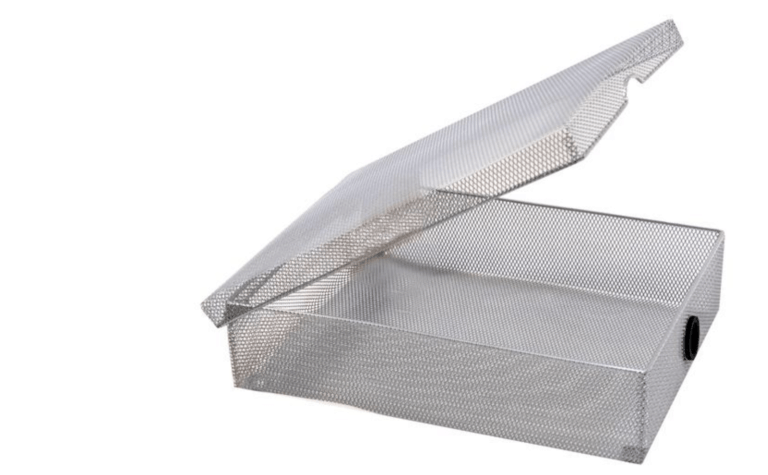
A normal connected phone case should not be described as blocking all fields or all signals. A properly closed radio-shielding enclosure has a different purpose: disrupting radio communication within its tested range. That can also prevent calls and messages. It does not mean every kind of electromagnetic field has disappeared.
If you need the phone to remain available, choose habits and accessories around that need. Before buying an enclosure for signal isolation, verify its stated frequencies, closure and compatibility; do not rely on it as a health guarantee or assume important calls will still arrive.
Frequently asked questions
Does a lab-tested phone case prevent cancer?
No clinical benefit is established by the material and phone tests discussed here. A shielding or SAR result should not be described as proof that a case prevents cancer.
Should the shielding flap face my body?
Follow the instructions for the exact case. Front-flap folio designs generally require the shielded flap to be between the phone and the area facing it; folding it behind the phone changes that arrangement.
Can an EMF meter verify a case’s SAR reduction?
A handheld meter measures fields at its sensor within its measurement limits. It does not measure SAR or establish a repeatable whole-body exposure reduction.
Does airplane mode turn off every wireless radio?
Not necessarily. Wi-Fi and Bluetooth may remain available or be turned back on. Check the phone’s settings separately if you want wireless communication disabled.
Will an old iPhone case fit a newer model?
Do not assume it will. Check the exact phone model, dimensions, camera and button openings, and any charging features on the selected listing.



Thank you so much for all this information. You explain it in a way that is easy to understand and I feel I can trust your findings with my life, so thank you.
Thank you for the really kind words!